
Navigating the world of trailer tires requires understanding sizes, load capacity, and proper fit for various applications.
Finding the correct tires ensures safety and optimal performance during transport, whether hauling boats or equipment.
Understanding Trailer Tire Sizes
Trailer tire sizing isn’t as straightforward as passenger vehicle tires. A typical trailer tire size marking, like ST205/75R14, reveals crucial information. “ST” denotes “Special Trailer” tire, indicating it’s designed for trailer use – not cars or trucks. The ‘205’ represents the tire’s section width in millimeters, signifying how wide the tire is when mounted on a rim. Following that, ‘75’ is the aspect ratio, meaning the sidewall height is 75% of the section width.
The ‘R’ signifies radial construction, a common type offering good stability. Finally, ‘14’ indicates the wheel diameter in inches. Understanding these components is vital for selecting the correct replacement. Different trailer types – utility, boat, travel trailers – often require specific sizes based on their weight capacity and intended use. Ignoring these specifications can lead to unsafe towing conditions and premature tire failure. Always consult your trailer’s manufacturer’s recommendations for the appropriate tire size.
Decoding Tire Markings: A Comprehensive Look
Beyond the basic size, trailer tire sidewalls are covered in markings providing essential details. Following the size (e.g., ST205/75R14), you’ll find the load range, indicated by letters like ‘B’, ‘C’, ‘D’, or ‘E’. These correspond to the tire’s maximum load-carrying capacity. Higher letters signify greater load capacity. Next is the ply rating, which historically indicated the number of fabric plies, but now represents a tire’s strength.
A crucial marking is the DOT code (Department of Transportation), a series of characters revealing the tire’s manufacturing date. The last four digits indicate the week and year of production – for example, ‘2425’ means the 24th week of 2025. This is vital for assessing tire age, as tires degrade over time, even without use. Speed ratings, indicated by letters, show the maximum safe speed. Finally, you’ll find maximum inflation pressure, essential for maintaining optimal performance and safety. Understanding these markings ensures you choose a tire that meets your trailer’s specific needs.
Load Range and Ply Rating Explained
Load range and ply rating are critical factors in selecting trailer tires, directly impacting their weight-carrying capacity and durability. Load range, denoted by letters (B, C, D, E, etc.), indicates the maximum load a tire can handle at a specified inflation pressure. A higher load range signifies a stronger tire capable of supporting heavier loads. For instance, a Load Range D tire can carry more weight than a Load Range C tire.
Ply rating, while historically representing the number of fabric plies, now serves as a measure of a tire’s strength and load-carrying capacity. It doesn’t directly correlate to the actual number of plies used in construction. A higher ply rating generally indicates a more robust tire. It’s important to match the load range and ply rating to your trailer’s Gross Vehicle Weight Rating (GVWR) – never exceed the tire’s maximum load capacity. Choosing the correct load range and ply rating ensures safe and reliable towing, preventing tire failure and maintaining vehicle control.
Common Trailer Tire Sizes for Different Applications
Selecting the appropriate trailer tire size depends heavily on the intended application and the trailer’s weight capacity; Utility trailers commonly utilize sizes like ST205/75R14 or ST225/75R15, offering a balance of load capacity and maneuverability for general hauling. Boat trailers often require sizes such as ST175/80R13 or ST185/80R13, designed to withstand the stresses of launching and retrieving boats, including potential submersion.
Travel trailers, demanding higher load capacities, frequently employ sizes like ST225/75R15 or ST235/85R16. Fifth wheel trailers, due to their substantial weight, often utilize larger sizes like ST235/80R16 or ST255/70R18. Dump trailers, handling heavy materials, necessitate robust tires in sizes like ST235/80R16 or larger. Horse trailers require specialized tires, often in sizes like ST225/75R15, prioritizing safety and stability for transporting livestock. Always consult your trailer’s manufacturer specifications to determine the correct tire size for your specific needs.
Utility Trailers: Tire Size Recommendations
For most utility trailers, the ST205/75R14 tire size is a popular and versatile choice, accommodating a wide range of hauling needs. This size offers a good balance between load capacity, affordability, and availability. However, depending on the trailer’s weight capacity and intended use, other sizes may be more appropriate. Lighter-duty utility trailers can often utilize ST175/80R13 tires, while heavier-duty models may require ST225/75R15 or even ST235/85R16 for increased load-bearing capability.
When selecting tires for a utility trailer, consider the maximum load capacity specified by the trailer manufacturer and ensure the tires you choose meet or exceed that requirement. It’s also crucial to verify the tire’s load range, indicated by a letter code on the sidewall (e.g., B, C, D, E), to ensure it’s suitable for the anticipated loads. Regularly inspect utility trailer tires for wear and tear, and replace them when necessary to maintain safe and reliable operation.
Boat Trailers: Selecting the Right Tire Size
Boat trailers often encounter unique challenges, including frequent submersion in water and exposure to corrosive elements. Therefore, selecting the correct tire size is paramount for safety and longevity. Common boat trailer tire sizes include ST175/80R13, ST185/80R13, and ST205/75R14, but the ideal size depends heavily on the boat’s weight and the trailer’s capacity.
Consider the total weight of the boat, motor, fuel, and any gear you’ll be transporting. The tires must have a load range sufficient to handle this combined weight safely. Marine-specific trailer tires are designed with enhanced resistance to water damage and corrosion, making them a worthwhile investment. Regularly inspect boat trailer tires for cracking, dry rot, and uneven wear, especially after saltwater exposure. Proper inflation is also critical, as underinflated tires can lead to overheating and blowouts during long hauls to the launch ramp.
Travel Trailers: Matching Tires to Weight Capacity
Travel trailers, varying greatly in size and weight, demand careful tire selection based on their Gross Vehicle Weight Rating (GVWR). Incorrectly sized tires can compromise handling, braking, and overall safety during travel. Popular sizes for travel trailers include ST225/75R15 and ST235/85R16, but always refer to the trailer manufacturer’s specifications.
Crucially, the load range of the tire must exceed the actual weight it will carry. Overloading tires leads to premature failure, blowouts, and potential accidents. Consider the trailer’s axle weight distribution when choosing tires; ensure each tire can handle its share of the load. Regularly weigh your loaded travel trailer to verify you’re within the tire’s weight capacity. Upgrading to tires with a higher load range can provide an extra margin of safety, especially for longer journeys or challenging road conditions. Don’t forget to check the tire pressure frequently, as it fluctuates with temperature changes.
Fifth Wheel Trailers: Tire Size Considerations
Fifth wheel trailers, known for their substantial weight, necessitate robust tire setups. Tire size selection hinges on the trailer’s GVWR and the number of axles. Common sizes include ST235/85R16 and ST255/70R18, but verifying the manufacturer’s recommendations is paramount. Due to the concentrated weight distribution with fifth wheels, tires with higher load ranges (e.g., Load Range G) are frequently required.

Proper load capacity is non-negotiable; exceeding the tire’s maximum weight rating significantly increases the risk of tire failure. Consider the pin weight, which exerts considerable force on the tires. Regularly inspect tires for signs of wear, damage, or uneven tread wear, indicating potential overloading or alignment issues. Maintaining correct tire pressure is vital, as fifth wheel tires are particularly susceptible to heat buildup. Upgrading to heavier-duty tires can enhance stability and safety, especially when traveling with a fully loaded fifth wheel. Always prioritize safety and adhere to recommended tire specifications.
Dump Trailers: Heavy-Duty Tire Options
Dump trailers endure exceptionally harsh conditions, demanding tires built for durability and high load capacity. These trailers frequently carry abrasive materials, increasing the risk of punctures and sidewall damage. Common tire sizes for dump trailers range from ST235/80R16 to ST285/70R19.5, with Load Range G or H being typical recommendations, depending on the trailer’s GVWR.
Radial tires are generally preferred for dump trailers due to their superior load-carrying capacity and resistance to heat buildup. Consider tires with reinforced sidewalls and deeper tread patterns for enhanced protection and traction. Regularly inspect tires for cuts, bulges, and uneven wear, as these can indicate structural damage. Maintaining proper inflation pressure is crucial, as underinflation can lead to overheating and tire failure. Upgrading to specialized dump trailer tires, designed with extra-thick rubber and reinforced construction, can significantly extend tire life and improve safety when hauling heavy loads. Prioritize robust tire options for reliable performance.
Horse Trailers: Safety and Tire Size

Horse trailers prioritize safety, demanding tires capable of handling significant weight and providing a smooth, stable ride for both the animals and the hauler. Tire sizes commonly used for horse trailers range from ST225/75R15 to ST235/85R16, often with Load Range D or E depending on the trailer’s weight capacity and number of horses transported. Radial tires are strongly recommended for their enhanced stability and reduced rolling resistance.
Regular tire inspections are paramount, checking for proper inflation, tread depth, and any signs of damage. Uneven wear can indicate alignment issues, which should be addressed promptly. Consider tires with a higher ply rating for increased durability and resistance to punctures, especially when traveling long distances or on varied terrain. Maintaining consistent tire pressure is vital for optimal handling and preventing blowouts. Prioritize safety by selecting tires specifically designed for the demands of horse transportation, ensuring a comfortable and secure journey for your equine companions.

Understanding Speed Ratings for Trailer Tires
Trailer tires, unlike passenger vehicle tires, typically have lower speed ratings due to their construction and intended use. These ratings, indicated by a letter code on the tire sidewall, signify the maximum speed at which the tire can safely carry a load. Common speed ratings for trailer tires include Letter Rating ‘L’ which is 75 mph (120 km/h), ‘M’ at 81 mph (130 km/h), and ‘N’ at 87 mph (140 km/h).
It’s crucial to never exceed the tire’s speed rating, even if the trailer is capable of higher speeds. Maintaining speeds within the rating ensures the tire doesn’t overheat and fail. Many trailer tires are rated for a maximum speed of 65 mph, regardless of the rating letter, and it’s best practice to adhere to this limit for safety. Regularly check your tires for wear and damage, and always prioritize safe driving habits. Ignoring speed ratings can lead to tire failure, potentially causing accidents and significant damage.
The Importance of Tire Pressure for Trailers
Maintaining correct tire pressure is paramount for trailer safety, handling, and tire longevity. Underinflated tires generate excessive heat, increasing the risk of a blowout, especially during extended travel or in warmer climates. Overinflated tires, conversely, can lead to a harsh ride, uneven wear, and reduced traction. Always refer to the tire sidewall or the trailer’s manufacturer’s specifications for the recommended PSI (pounds per square inch).
Regularly check tire pressure using a reliable gauge, ideally before each trip and when the tires are cold. Temperature fluctuations affect pressure, so adjustments are often necessary. Consider investing in a tire pressure monitoring system (TPMS) for real-time monitoring while driving. Proper inflation ensures optimal load distribution, improves fuel efficiency, and enhances overall stability. Neglecting tire pressure can compromise safety and lead to costly repairs or accidents. Consistent monitoring is a small investment with significant returns.
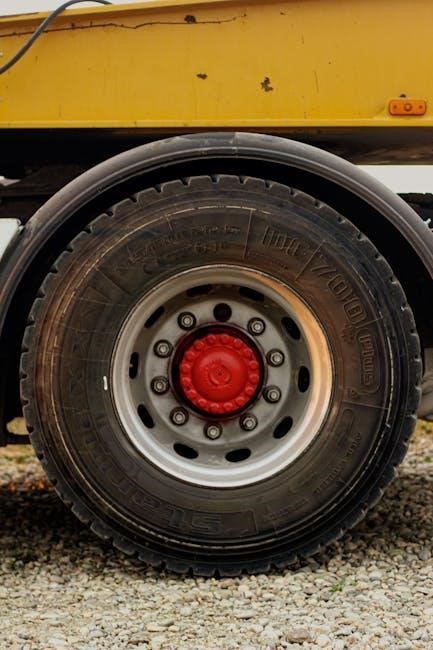
Choosing Between Radial and Bias-Ply Trailer Tires
The choice between radial and bias-ply trailer tires significantly impacts ride quality, handling, and cost. Bias-ply tires, the traditional option, feature a crisscross ply construction, making them stiffer and more affordable. They excel in heavy-duty applications and offer good load-carrying capacity, but generally provide a less comfortable ride and exhibit more sway.
Radial tires, constructed with plies running radially across the tire, offer superior handling, a smoother ride, and improved fuel efficiency. They dissipate heat more effectively, reducing the risk of blowouts, and provide better stability at higher speeds. While typically more expensive upfront, radials often last longer due to their wear patterns. For frequent long-distance towing or applications prioritizing comfort and control, radial tires are generally preferred. Consider your towing needs, budget, and typical travel conditions when making your decision.
Trailer Tire Age and DOT Codes
Determining the age of a trailer tire is crucial for safety, as rubber degrades over time, even without significant use. Unlike passenger car tires with a standardized date code, trailer tires also utilize the Department of Transportation (DOT) code, but understanding it requires careful examination. The DOT code is a series of alphanumeric characters stamped on the tire sidewall.
The last four digits of the DOT code indicate the week and year of manufacture. For example, “1225” means the tire was produced in the 12th week of 2025. Regardless of tread depth, tires older than six years should be replaced, as the rubber can become brittle and prone to cracking. Regularly inspect your trailer tires for signs of aging, such as sidewall cracking or discoloration. Prioritizing tire age alongside tread wear ensures a safer towing experience and prevents potential roadside failures. Always check the DOT code before each trip!
Matching Trailer Tires: Why It Matters
Ensuring all tires on a trailer are identical is paramount for safe and predictable handling. Mixing different tire sizes, load ranges, or tread patterns can create significant issues during towing, compromising stability and control. Variations in rolling circumference cause the axle to constantly adjust, leading to uneven wear, increased stress on the bearings, and potential trailer sway.

Ideally, all five tires – including the spare – should be the same brand, model, size, and load range. If a direct match isn’t possible, prioritize matching the load range and size. While tread patterns can differ slightly, avoid drastically different designs; Mismatched tires can affect the trailer’s braking performance, potentially leading to longer stopping distances or uneven braking force. Regularly inspect all tires for wear and replace them in sets to maintain consistent performance and maximize safety on the road. A matched set is a safer set!
Tire Wear Patterns and What They Indicate

Analyzing trailer tire wear patterns provides valuable insights into potential maintenance needs and underlying issues. Uneven wear isn’t always a sign of poor tire quality; it often signals alignment problems, improper inflation, or overloading. For instance, wear primarily on the edges suggests underinflation, while wear in the center indicates overinflation.
Cupping, characterized by dips around the tire’s circumference, often points to worn suspension components like shocks or bearings. Feathering, where one side of the tread blocks wears faster, suggests misalignment. Excessive wear on one tire compared to others could indicate a faulty brake or a dragging caliper. Regularly inspecting tires for these patterns allows for proactive maintenance, preventing more significant and costly repairs. Addressing these issues promptly ensures optimal trailer handling, extends tire life, and enhances overall safety during travel. Ignoring these signs can lead to tire failure and potentially dangerous situations.

Seasonal Tire Maintenance for Trailers
Adapting trailer tire maintenance to the seasons is crucial for longevity and safety. Before the busy travel season, a thorough inspection is vital – check for cracks, bulges, and adequate tread depth. As temperatures rise, remember that tires gain pressure, so adjust accordingly to avoid overinflation. During colder months, tire pressure decreases, requiring regular checks and inflation to maintain optimal performance.
Winterizing involves more than just pressure adjustments; Prolonged inactivity can cause flat spots, so consider using tire covers or slightly overinflating to prevent this. Cleaning tires after exposure to road salt and debris is essential to prevent corrosion. Storing tires in a cool, dry place away from direct sunlight extends their lifespan. Spring preparation includes re-balancing and alignment checks. Consistent seasonal maintenance, combined with regular inspections throughout the year, ensures your trailer tires are always ready for the road, maximizing safety and minimizing unexpected issues during your journeys.
Upgrading Trailer Tire Size: Potential Issues
While the idea of upgrading trailer tire size for improved handling or appearance is tempting, several potential issues must be carefully considered. Simply increasing tire diameter can lead to speedometer inaccuracies and affect the trailer’s braking system if not properly recalibrated. A larger tire also alters the overall gear ratio, potentially reducing towing efficiency and increasing strain on the axle.
Crucially, exceeding the axle’s weight capacity with larger tires is extremely dangerous. Ensure the upgraded tires’ load range matches or exceeds the original specifications and the axle’s maximum load. Clearance becomes a significant concern; larger tires may rub against the trailer frame, wheel wells, or suspension components, especially during turns. Modifications might be needed, adding cost and complexity. Finally, upgrading tires can void warranties if not performed correctly. Thorough research, professional consultation, and adherence to manufacturer guidelines are essential before attempting any tire size upgrade to avoid compromising safety and trailer integrity.
Finding the Correct Tire Size for Your Axle
Determining the correct tire size for your trailer axle is paramount for safety and performance. Start by locating the axle’s weight capacity, usually stamped on the axle itself or detailed in the trailer’s documentation. This capacity dictates the minimum load range your tires must meet. Next, identify the existing tire size, found on the tire sidewall – a code like ST205/75R14 provides crucial information.
The ‘ST’ signifies ‘Special Trailer’ tire, ‘205’ is the section width in millimeters, ‘75’ represents the aspect ratio (sidewall height as a percentage of width), and ‘R14’ denotes a radial tire with a 14-inch rim diameter. Ensure the new tires match this rim diameter. Consult a tire size chart or a trailer professional to confirm compatibility between the tire size, axle capacity, and trailer usage. Never exceed the axle’s weight rating, and always prioritize tires with a load range equal to or greater than the original equipment. Proper fit guarantees optimal handling, braking, and longevity.
Trailer Tire Brands: Popular Choices
Selecting a reputable trailer tire brand is crucial for reliability and safety. Cooper Tire & Rubber Company consistently receives high marks for durability and performance, offering a wide range of sizes and load ratings specifically designed for trailers. Big Tex Trailers, while primarily a trailer manufacturer, also provides quality tire options suited for their products.
Sure-trac is another popular choice, known for its robust construction and ability to handle heavy loads, particularly in demanding applications like construction or farming. Load Trail offers a balance of affordability and quality, making them a suitable option for general-purpose trailers. Other well-regarded brands include Kenda, known for its diverse selection, and Maxxis, praised for its innovative tread designs and long-lasting performance.
Ultimately, the best brand depends on your specific needs and budget. Researching customer reviews and comparing specifications will help you make an informed decision, ensuring a safe and enjoyable towing experience.
Where to Buy Trailer Tires

Finding the right retailer for trailer tires offers various options, catering to different preferences and needs. All Pro Trailer Superstore is a prominent online destination, boasting an extensive inventory of trailers and related accessories, including a wide selection of tires from leading brands. TrailerTrader serves as a comprehensive online marketplace, connecting buyers with both local and nationwide sellers, offering a diverse range of new and used tires.
Local dealerships specializing in trailers, like those found in Pittsburgh, PA, provide personalized service and expert advice. These dealerships often offer installation services and can assist in selecting the correct tire size and load rating for your specific trailer. Additionally, large automotive retailers and tire chains frequently stock trailer tires, providing convenience and competitive pricing.
Online marketplaces like Amazon and eBay also offer a selection of trailer tires, but it’s crucial to verify the seller’s reputation and ensure the tires meet your requirements before purchasing.
Trailer Tire Safety Checklist
Prioritizing trailer tire safety is paramount for a secure journey. Regularly inspect tires for wear, damage (cuts, bulges), and proper inflation – maintaining correct pressure is crucial for handling and preventing blowouts. Check the DOT codes to determine tire age; tires older than six years should be replaced, regardless of tread depth.
Verify that all tires on an axle match in size, load range, and ply rating. Inspect the wheel bearings for play or unusual noises, as these can indicate potential failure. Before each trip, tighten lug nuts to the manufacturer’s specified torque. During travel, periodically check tire temperature; excessive heat suggests a problem.
Be mindful of speed ratings; never exceed the maximum speed recommended for your trailer tires. Avoid overloading the trailer, as this significantly increases tire stress. Carry a spare tire, jack, and lug wrench, and know how to use them. A proactive approach to tire maintenance ensures a safer and more reliable towing experience.
Resources for Further Information on Trailer Tires
Expanding your knowledge about trailer tires is essential for informed decision-making. TrailerTrader.com offers extensive listings and resources, connecting buyers with dealers nationwide and providing insights into various trailer types and tire options. All Pro Trailer Superstore showcases a diverse range of trailers and related accessories, offering valuable information on tire selection.
FILMSTARTS.de, while primarily a film resource, demonstrates the broad online availability of information, highlighting the importance of thorough research. Cooper Tire & Rubber Company’s website provides detailed specifications and guidance on tire technology and safety. Numerous online forums and communities dedicated to towing and trailers offer practical advice from experienced users.

Manufacturer websites (Big Tex Trailers, Sure-trac, Load Trail) are excellent sources for specific tire recommendations for their products. Retailers like Discount Tire and Tire Rack offer tire size guides and comparison tools. Remember to consult your trailer’s owner’s manual for specific tire requirements and weight capacity information. Prioritize reliable sources and cross-reference information for accuracy.