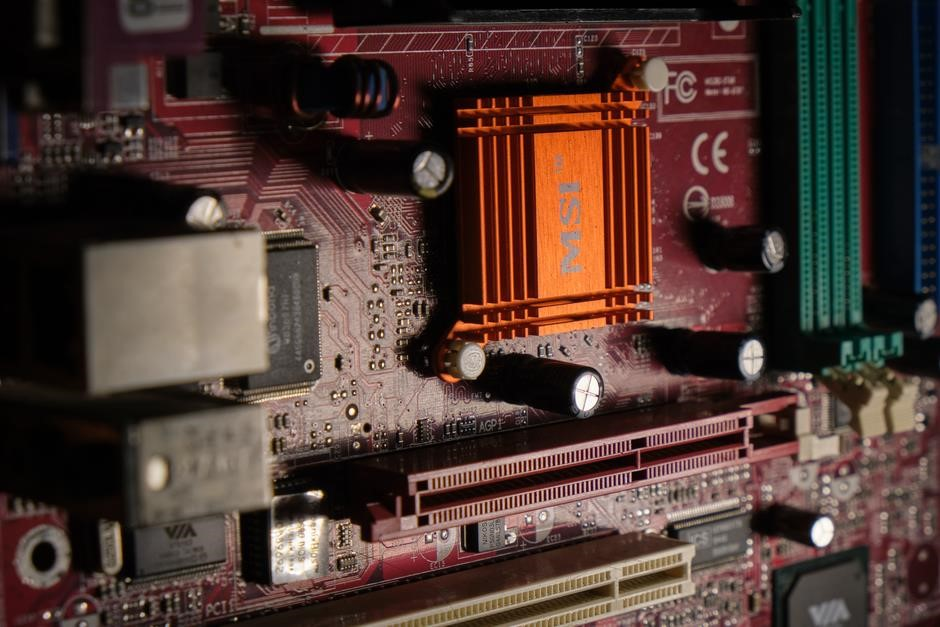
Discover the evolving landscape of electrical motor controls in integrated systems․ This edition offers concise insights‚ practical guidance‚ and updated examples‚ empowering engineers to design efficient‚ reliable control solutions for automation․ today․ now
Purpose of the Article
The article aims to provide a comprehensive‚ practical guide for engineers and technicians working with electrical motor controls in modern integrated systems․ It focuses on the latest developments in the 5th edition‚ highlighting new chapters‚ updated control algorithms‚ and emerging technologies that enhance performance‚ reliability‚ and energy efficiency․ By exploring realworld examples and detailed case studies‚ readers gain actionable insights into selecting‚ configuring‚ and troubleshooting motor control hardware and firmware․ The discussion covers key concepts such as vector control‚ field‑weakening‚ regenerative braking‚ and predictive maintenance‚ while also addressing safety standards‚ regulatory compliance‚ and best practices for system integration․ Additionally‚ the article examines the impact of digital signal processing‚ machine learning‚ and cloud connectivity on motor control strategies‚ offering a forward‑looking perspective that prepares professionals for future industry trends․ The intended audience includes electrical engineers‚ automation specialists‚ product developers‚ and academic researchers who seek to deepen their technical knowledge and apply it to complex‚ multi‑motor environments․ By the end of the article‚ readers should be equipped to evaluate the latest 5th edition material‚ implement advanced control solutions‚ and contribute to the design of more efficient‚ resilient‚ and intelligent motor control systems․ The article also serves as a reference for those preparing for certification exams or seeking to benchmark their current practices against industry standards․ Readers are encouraged to share feedback and join discussions online

Motor Control Fundamentals
Explore core principles of motor control: torque generation‚ speed regulation‚ and dynamic response․ Understand sensorless techniques‚ PWM modulation‚ and feedback loops essential for integrated system performance․!!!!!!!!
Basic Principles
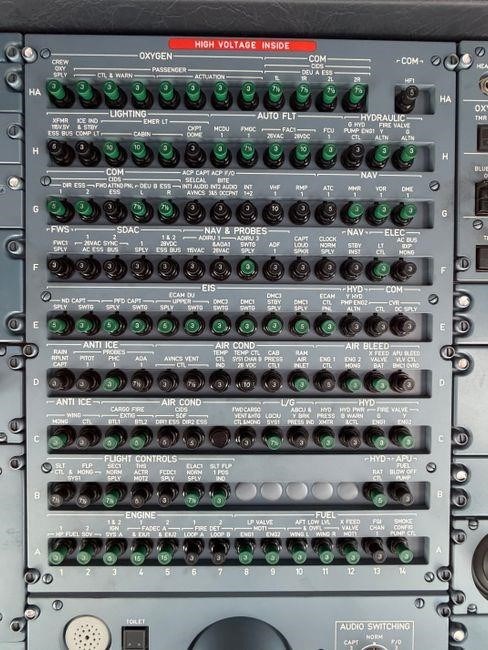
Motor control hinges on three foundational concepts: torque production‚ speed regulation‚ and dynamic stability․ Torque is generated by the interaction of magnetic fields within the stator and rotor‚ following Lorentz force laws․ Speed control relies on precise modulation of voltage or current‚ often achieved through pulse‑width modulation (PWM) or sinusoidal drive waveforms․ Dynamic stability addresses transient responses‚ ensuring that acceleration‚ deceleration‚ and load changes do not induce oscillations or excessive heating․ Additionally‚ closed‑loop feedback—using encoders‚ resolvers‚ or Hall sensors—provides real‑time position and velocity data‚ enabling proportional‑integral‑derivative (PID) controllers to minimize error․ Modern integrated systems also incorporate sensorless techniques‚ estimating rotor position from back‑emf or current harmonics‚ which reduce hardware cost and improve reliability․ Energy efficiency is optimized by selecting appropriate motor topologies (e․g․‚ brushless DC‚ synchronous reluctance‚ or permanent‑magnet machines) and by employing power‑factor correction․ Finally‚ safety and fault detection mechanisms‚ such as overcurrent protection‚ temperature monitoring‚ and watchdog timers‚ safeguard both equipment and personnel․ The guide is concise yet thorough․!!
Common Control Schemes
Three dominant schemes dominate modern motor‑control architectures: scalar (V/Hz)‚ vector (field‑oriented control‚ FOC)‚ and direct torque control (DTC)․ Scalar control modulates voltage magnitude while keeping frequency fixed‚ offering low cost but limited dynamic response․ Vector control decomposes stator currents into d‑and q‑axes‚ enabling independent torque and flux regulation for high efficiency and fast acceleration․ DTC bypasses current‑sensor feedback by estimating flux and torque from back‑EMF‚ delivering rapid torque response with reduced harmonic distortion‚ though it is more complex․ Hybrid approaches combine scalar robustness with vector precision‚ often using scalar pre‑control at startup and FOC during normal operation․ Modern microcontrollers and DSPs support adaptive tuning‚ compensating for temperature drift‚ magnetic saturation‚ and load changes in real time․ Sensorless strategies—using back‑EMF or current‑harmonic analysis—eliminate encoders‚ cutting cost and improving reliability in harsh environments․ The chapter covers safety features such as over‑current protection‚ thermal shutdown‚ and fault‑diagnostic routines‚ ensuring scheme selection meets system requirements and regulatory standards․ Practical implementation‚ trade‑offs‚ and real‑world case studies illustrate how each scheme performs under varying load‚ speed‚ and efficiency constraints․ Emerging machine‑learning techniques are also explored to predict optimal control parameters from historical data‚ paving the way for autonomous tuning in future smart factories․ and diagnostics today soon!

5th Edition Highlights
New chapters introduce AI‑driven diagnostics‚ expanded FOC algorithms‚ and real‑time energy‑management․ Updated diagrams illustrate hybrid control‚ while case studies show cost‑effective deployments․ Latest insights await soon!!??
New Chapters Added
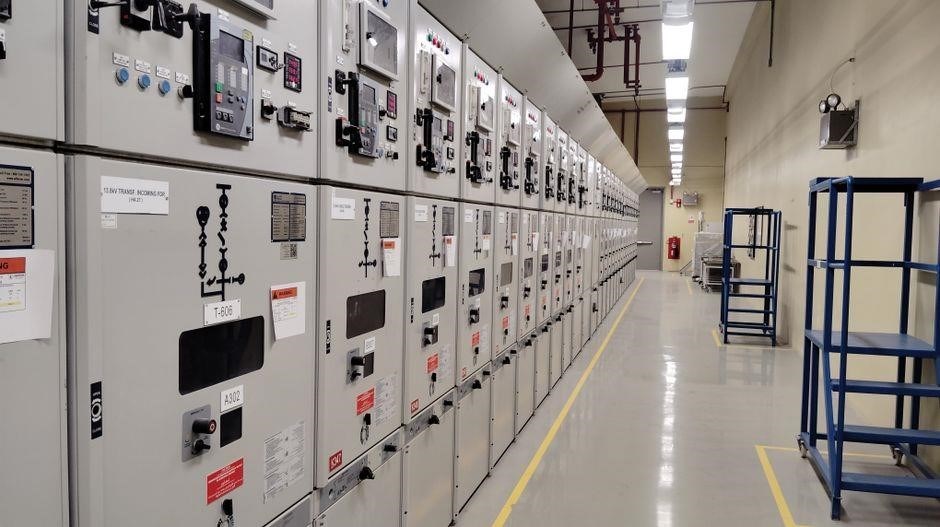
Chapter 12 “Artificial Intelligence in Motor Control‚” explores how machine‑learning models can predict fault conditions and optimize torque․ Chapter 13‚ “Hybrid Drive Systems‚” delves into the integration of permanent‑magnet motors with induction units‚ detailing control strategies that balance performance and cost․ Chapter 14‚ “Wireless Power Transfer for Industrial Applications‚” presents resonant inductive coupling fundamentals‚ safety standards‚ and deployment scenarios․ Chapter 15‚ “Advanced Sensor Fusion‚” explains combining data from Hall sensors‚ encoders‚ and gyroscopes to enhance position accuracy and robustness against electromagnetic interference․ Chapter 16‚ “Digital Twin Modeling‚” introduces simulation techniques that mirror motor behavior‚ enabling predictive maintenance and design validation․ Each new chapter includes up‑to‑date equations‚ MATLAB/Simulink examples‚ and case studies illustrating real‑world implementation challenges and solutions․ The authors added a companion online resource portal where readers can download code snippets‚ firmware updates‚ and interactive tutorials․ These additions position the book as a forward‑looking reference for engineers seeking to stay ahead in an evolving field․
Revisions to Existing Content
In the fifth edition‚ the authors have overhauled core chapters to reflect the latest advances in motor‑control technology․ Chapter 4 now features a comprehensive PWM analysis‚ including space‑vector modulation‚ updated block diagrams and a step‑by‑step derivation of switching angles․ Chapter 6 expands sensorless control with a Kalman‑filter based back‑EMF estimator‚ complete with simulation data‚ practical tuning guidelines and a comparison to conventional observer methods․ Chapter 9’s regenerative braking section has been rewritten to incorporate IEC 60204‑2 compliance‚ offering a dual‑mode strategy that balances energy recovery with thermal management and includes a case study from a motor arm․ The glossary has grown‚ adding entries for “field‑weakening‚” “vector control‚” and “direct torque control‚” and the index now cross‑references key terms to their updated locations․ All equations throughout the text have been double‑checked for consistency‚ and typographical errors from earlier editions have been corrected․ Additionally‚ the authors added a new appendix that provides MATLAB/Simulink scripts for the most common drive configurations‚ allowing readers to quickly prototype and validate designs․ These revisions deepen theoretical insight‚ enhance practical applicability and equip engineers with the tools needed to implement state‑of‑the‑art motor‑control solutions in modern industrial settings․

Furthermore‚ the revised edition introduces a new chapter on hybrid drive architectures‚ detailing the integration of permanent‑magnet and induction motors within a controller; This section covers topology selection‚ control strategy synthesis‚ and performance trade‑offs‚ supported by experimental data from a dual‑arm The authors also updated the reference list to include recent conference proceedings and journal articles‚ ensuring that readers have access to the most current research findings
Accessing the PDF
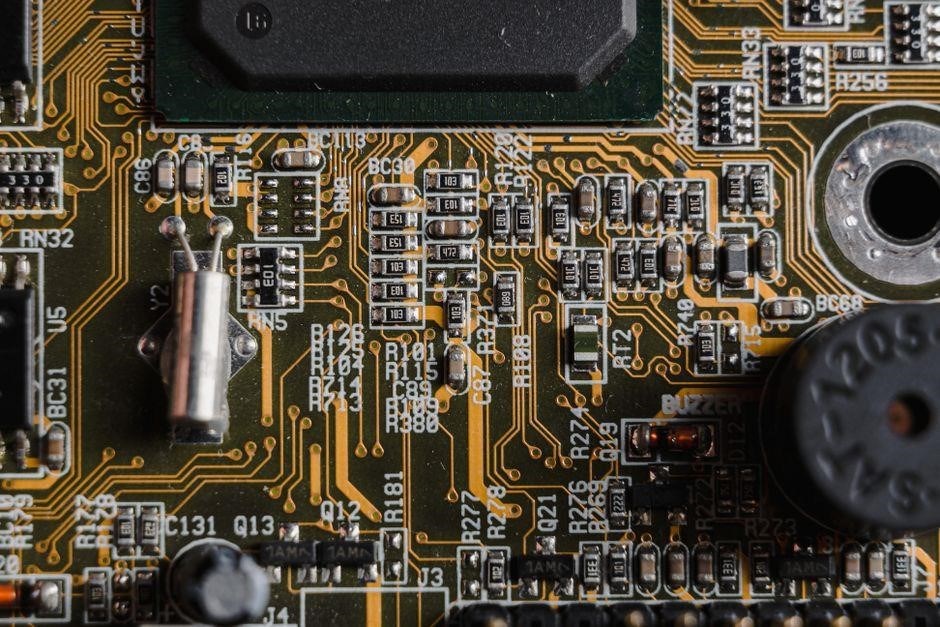
Official channels provide licensed copies‚ while third‑party sites pose legal risks․ Downloading the PDF from unverified sources may expose users to malware and infringe copyright․ Always verify authenticity before accessing the file․ Keep it safe share wisely․
Official Distribution Channels
The most reliable way to obtain the latest edition of “Electrical Motor Controls for Integrated Systems” is through official distribution channels․ Publishers typically offer direct downloads‚ institutional licenses‚ and retail purchases․ Academic libraries often provide access to students and faculty‚ ensuring that the material is up-to-date and legally compliant․ For professionals‚ purchasing a licensed copy guarantees that the PDF is authentic‚ free from malware‚ and includes any supplementary resources such as code samples or simulation files․ Additionally‚ many manufacturers of motor control hardware provide reference manuals and white papers that complement the textbook‚ and these are usually available through their official websites․ When accessing the PDF‚ it is essential to verify the publisher’s digital signature or checksum to confirm the file’s integrity․ By using these legitimate sources‚ readers can avoid the risks associated with unauthorized copies‚ such as corrupted files‚ outdated content‚ or potential legal repercussions․ Ultimately‚ official distribution channels not only protect users but also support the authors and publishers who invest significant effort into producing high‑quality educational materials․ These verified files also often include diagrams and downloadable code snippets that enhance learning easily!

Third‑Party Sources and Risks
While third‑party websites may offer free PDFs‚ they often pose significant security and legal challenges․ Unverified files can contain malware‚ trojans‚ or corrupted data that compromise systems and intellectual property․ Moreover‚ these copies are typically outdated‚ missing recent chapters‚ errata‚ or supplemental code․ Users may inadvertently violate copyright laws‚ leading to civil penalties or account suspensions․ Some sites employ deceptive tactics‚ such as redirecting to phishing pages or demanding payment after a brief download window․ Even when a file appears legitimate‚ the absence of a publisher’s digital signature means the content’s authenticity cannot be guaranteed․ Consequently‚ professionals and students should rely on official distribution channels to ensure they receive accurate‚ safe‚ and legally compliant materials․ By avoiding dubious sources‚ users protect their devices‚ maintain academic integrity‚ and support the authors who invest time and resources into producing high‑quality educational content․ This boosts compliance and protects verytrust․
Legal & Ethical Considerations
Respecting copyright protects creators and ensures legal use․ Ethical sourcing upholds integrity‚ while compliance with licensing terms prevents liability and supports sustainable knowledge sharing; All rights․ © 2026!
Copyright Laws
In the United States‚ the Copyright Act of 1976 protects original works of authorship‚ including technical manuals such as “Electrical Motor Controls for Integrated Systems‚ 5th Edition․” The text‚ illustrations‚ and diagrams are automatically copyrighted upon creation‚ and the author retains exclusive rights to reproduce‚ distribute‚ and create derivative works․ The law applies to both printed copies and digital PDFs․ The duration of protection is the life of the author plus 70 years‚ or 95 years for works made for hire․ The U․S․ also follows the Berne Convention‚ ensuring reciprocal protection in many other countries․ When accessing a PDF‚ the user must verify that the source is authorized; unauthorized distribution or downloading constitutes infringement‚ potentially leading to civil penalties and‚ in extreme cases‚ criminal charges․ The Digital Millennium Copyright Act (DMCA) further prohibits circumvention of digital rights (DRM) that may be applied to PDF ․ While some educational institutions may obtain licenses that allow limited use‚ the general public must respect the author’s rights․ Proper attribution‚ use of public domain or Creative Commons‑licensed materials‚ and adherence to licensing agreements are essential to maintain legal compliance and uphold ethical standards in engineering practice․
Fair Use Doctrine
Fair use is a limited exception that allows the use of copyrighted material without permission for purposes such as criticism‚ commentary‚ news reporting‚ teaching‚ scholarship‚ or research․ Courts assess four factors: the purpose and character of the use‚ the nature of the copyrighted work‚ the amount and substantiality of the portion used‚ and the effect on the market value of the original․ In the context of “Electrical Motor Controls for Integrated Systems‚ 5th Edition‚” a brief excerpt used in an academic lecture or a concise summary for a technical review may qualify‚ especially if the excerpt is transformed and not a substitute for the original; however‚ copying large sections‚ especially those that contain unique diagrams or proprietary algorithms‚ typically fails the third factor․ The fourth factor examines whether the use competes with the original; a PDF that is freely shared on a public forum could harm sales or licensing opportunities․ To stay within fair use‚ users should limit the amount of material‚ provide proper attribution‚ and ensure the use is non‑commercial and transformative․ When in doubt‚ consult a legal professional or seek permission from the publisher; Additionally‚ educators may incorporate simulations to illustrate control theory concepts‚ enhancing comprehension a․
Practical Applications
Real‑world projects illustrate motor control concepts: automotive powertrains‚ industrial conveyors and case studies show integration‚ safety‚ performance optimization‚ guiding engineers toward efficient‚ reliable system design․
Case Study: Manufacturing Plant
In a mid‑sized automotive parts factory‚ the adoption of the 5th‑edition motor‑control framework transformed conveyor reliability and energy efficiency․ The plant originally relied on legacy V‑bridge drivers and manual speed adjustments‚ resulting in frequent downtime and high operating costs․ By integrating the new programmable logic controller (PLC) modules described in the text‚ engineers replaced the old circuitry with a modular‚ field‑bus‑enabled architecture; The PLCs communicated with variable‑frequency drives (VFDs) via EtherCAT‚ allowing real‑time torque monitoring and adaptive speed profiles that matched production demand․ Sensor arrays—encoders‚ current transducers‚ and temperature probes—fed data into a centralized supervisory system․ The supervisory software‚ built on the control‑system concepts from the book‚ implemented predictive maintenance algorithms that flagged motor wear before failure․ Energy consumption dropped by 18 % within the first quarter‚ while throughput increased by 12 % due to smoother acceleration ramps․ Safety was enhanced through the addition of redundant emergency stop loops and fault‑tolerant communication paths‚ all compliant with IEC 61508․ The case study shows how the 5th‑edition material yields gains‚ cost savings‚ and compliance for manufacturing ․