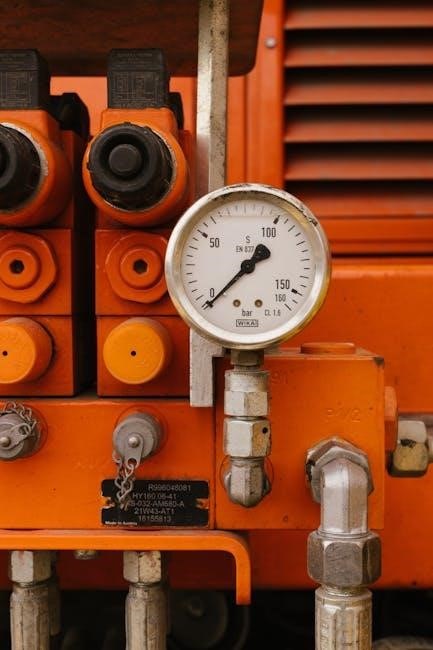
Commercial 4000 PSI pressure washers deliver robust cleaning power for demanding jobs, offering efficiency and durability for professional applications and consistent results․
What is a 4000 PSI Commercial Pressure Washer?
A 4000 PSI commercial pressure washer represents a significant leap in cleaning capability compared to residential models․ PSI, or pounds per square inch, measures the water pressure; 4000 PSI indicates a powerful stream capable of removing stubborn grime, paint, and build-up from various surfaces․
These washers are typically powered by gasoline engines or electric motors, delivering consistent performance for extended periods․ They’re built with heavy-duty components – robust pumps, durable frames, and high-quality hoses – to withstand frequent, intensive use․
The “commercial” designation signifies their suitability for professional applications, offering reliability and longevity beyond the demands of occasional home use․ They are designed for tasks requiring deep cleaning and efficient operation․
Typical Applications for High-Pressure Washers
4000 PSI commercial pressure washers excel in a wide array of demanding cleaning scenarios․ Common applications include fleet vehicle washing – removing road grime from trucks, vans, and construction equipment․ They are also frequently used for building exterior cleaning, stripping paint, and preparing surfaces for re-coating․
Industrial facilities benefit from their ability to clean machinery, floors, and walls․ Construction sites utilize them for removing concrete residue and mud․ Furthermore, these washers are effective for graffiti removal, deck restoration, and heavy equipment maintenance, providing a versatile cleaning solution․

Understanding Your Manual
This manual provides crucial guidance for safe operation, maintenance, and troubleshooting of your 4000 PSI commercial pressure washer, ensuring optimal performance․
Importance of Reading the Manual
Before operating your 4000 PSI commercial pressure washer, thoroughly reading this manual is absolutely essential․ It contains vital information regarding safety procedures, proper operation techniques, and crucial maintenance schedules․ Ignoring these instructions could lead to equipment damage, personal injury, or voiding the warranty․
Understanding the specific components of your pressure washer and their functions, as detailed within, will maximize its cleaning efficiency and lifespan․ The manual also outlines potential hazards and how to mitigate them, ensuring a safe working environment․ Familiarize yourself with troubleshooting steps to quickly address minor issues and avoid costly repairs․ Prioritizing this reading is an investment in the longevity and safe use of your equipment․
Manual Contents Overview
This manual is comprehensively structured to guide you through every aspect of your 4000 PSI commercial pressure washer․ It begins with an introduction to the equipment and detailed safety precautions, followed by a breakdown of all components – from the engine/motor to the hose and wand assembly․
You’ll find step-by-step assembly instructions, clear operating procedures including pressure adjustment and nozzle selection, and a dedicated section on maintenance and troubleshooting․ Further sections cover advanced features like detergent injection and surface cleaner attachments․ Finally, complete warranty information and detailed technical specifications, including PSI and GPM ratings, are provided․ This organized approach ensures easy access to the information you need, when you need it․
Safety Precautions
Always prioritize safety when operating this high-pressure washer; improper use can cause serious injury, so read all warnings carefully before operation․
General Safety Rules
Before each use, thoroughly inspect the pressure washer for any damaged parts, including hoses, wands, and connections; Never operate a unit with damaged components․ Ensure the work area is clear of people, pets, and obstacles․
Maintain a firm grip on the wand at all times during operation․ Avoid directing the spray at yourself or others․ Never attempt to modify the pressure washer in any way․ Use only approved accessories and detergents․
Be aware of your surroundings and potential hazards, such as electrical sources and slippery surfaces․ Always disconnect the power source or fuel supply before performing any maintenance or repairs․ Store the pressure washer in a secure, dry location when not in use․
Personal Protective Equipment (PPE)
Always wear appropriate PPE when operating this 4000 PSI commercial pressure washer․ This includes safety glasses or a face shield to protect your eyes from debris and potential splashes․ Wear closed-toe shoes with slip-resistant soles to maintain stable footing on potentially wet surfaces․
Gloves are recommended to protect your hands from chemicals and the force of the water spray․ Consider wearing hearing protection, especially during prolonged use, as pressure washers can generate significant noise․
Appropriate clothing, such as long pants and a long-sleeved shirt, can provide additional protection․ Avoid loose clothing that could get caught in the machine’s moving parts․
Electrical Safety
This pressure washer operates on high voltage; therefore, strict adherence to electrical safety guidelines is crucial․ Never use the machine with a damaged power cord – replace it immediately with a manufacturer-approved replacement․ Avoid operating the pressure washer in wet conditions or near standing water to prevent electric shock․
Always ensure the power outlet is properly grounded and compatible with the machine’s electrical requirements; Never attempt to modify the plug in any way․ Before performing any maintenance, disconnect the power cord from the outlet․
Do not pull the cord to disconnect; grasp the plug instead․ If using an extension cord, ensure it is heavy-duty and rated for outdoor use․

Pressure Washer Components
Key components include a powerful engine, high-pressure pump, durable hose, adjustable wand, and various nozzles, all designed for efficient and reliable cleaning performance․
Engine/Motor Details
This pressure washer utilizes a robust gasoline-powered engine, specifically engineered for demanding commercial use․ The engine boasts a displacement of 389cc, delivering ample power for consistent 4000 PSI output․ It features an overhead valve (OHV) design, enhancing fuel efficiency and reducing emissions․
A low-oil shutdown system protects the engine from damage, automatically halting operation when oil levels are critically low․ The engine is air-cooled, ensuring reliable performance even during extended use․ Regular oil changes, as outlined in the maintenance schedule, are crucial for longevity․ For electric motor models, a high-efficiency motor provides comparable power with reduced noise and emissions, requiring proper voltage and amperage connections․
Pump Specifications
The heart of this pressure washer is its triplex pump, designed for heavy-duty commercial applications․ This pump features ceramic pistons, renowned for their exceptional wear resistance and durability, ensuring a long service life․ It’s capable of producing a maximum pressure of 4000 PSI and a flow rate of 4․0 GPM (gallons per minute), delivering powerful cleaning performance․
The pump incorporates a thermal relief valve, preventing overheating by automatically bypassing water when the pressure exceeds safe limits․ Regular inspection and maintenance of the pump, including oiling and seal replacement, are vital for optimal operation․ Proper water filtration is also essential to prevent damage from debris and prolong pump life․
Hose and Wand Assembly
This pressure washer utilizes a high-pressure hose, reinforced with steel braiding for exceptional strength and durability, capable of withstanding 4000 PSI․ Ensure the hose is free from kinks, cuts, or abrasions before each use․ The quick-connect couplings allow for easy attachment and detachment of the wand and nozzles․
The wand is constructed from durable steel and features a safety latch to prevent accidental nozzle detachment during operation․ Always inspect the wand for damage before use․ Different wand lengths may be included for extended reach․ Proper storage of the hose and wand, avoiding sharp bends and direct sunlight, will maximize their lifespan․

Assembly Instructions
Carefully follow these steps to properly assemble your commercial pressure washer, ensuring all connections are secure before operation for optimal performance and safety․
Connecting the Hose
Begin by ensuring the pressure washer is completely powered off and disconnected from any power source․ Locate the high-pressure hose and the corresponding outlet port on the pump․ Carefully inspect both connections for any damage or debris before proceeding․
Hand-tighten the hose coupling onto the pump outlet, ensuring a firm and secure fit․ Use the provided wrench to give it an additional quarter-turn, but do not overtighten, as this could damage the threads․
Next, connect the other end of the hose to the trigger gun or wand assembly, again hand-tightening initially, followed by a gentle tightening with the wrench․ Always verify the connections are leak-proof before starting the machine․ A loose connection can lead to reduced pressure and potential injury․
Attaching the Wand
Before attaching the wand, confirm the pressure washer is off and disconnected from its power source․ Locate the wand and the corresponding connection point on the trigger gun assembly․ Most wands utilize a quick-connect mechanism for easy attachment․
Align the wand connector with the trigger gun’s receiver and firmly push them together until you hear a distinct ‘click’, indicating a secure lock․ Gently tug on the wand to confirm it’s properly engaged․
If your model features a threaded connection, hand-tighten the wand onto the trigger gun, then use the provided wrench for a quarter-turn․ Avoid excessive force to prevent damage․ Ensure the wand is securely fastened before operation to prevent accidental disconnection during use․
Fuel/Power Connection
For gasoline-powered units: Ensure the pressure washer is on a level surface, away from flammable materials․ Before adding fuel, verify the engine is cool․ Carefully remove the fuel cap and use a funnel to add the recommended fuel type (typically unleaded gasoline with an octane rating of 87 or higher)․ Do not overfill․
For electric-powered units: Confirm the power switch is in the ‘OFF’ position․ Connect the pressure washer to a grounded outlet with the correct voltage (refer to the technical specifications)․ Use a heavy-duty extension cord if necessary, ensuring it’s rated for outdoor use and the amperage draw of the unit․
Inspect all connections for damage before use;

Operating Instructions
Proper operation ensures optimal performance and longevity of your 4000 PSI commercial pressure washer; always follow these steps for effective cleaning․
Starting the Pressure Washer
Before starting, ensure the unit is on a level surface and all connections are secure․ Verify sufficient fuel or power is available, and the water supply is fully connected and turned on․
For gasoline models, turn the fuel valve to the ‘ON’ position, set the choke as indicated in the engine manual (usually ‘ON’ for cold starts), and pull the starter cord firmly and steadily․ Once the engine sputters, gradually reduce choke usage․
For electric models, connect to a properly grounded outlet matching the voltage requirements․ Turn the power switch to ‘ON’․ Allow a few moments for the pump to prime – you’ll notice a slight pressure build․ Never run the pump dry for extended periods․
Adjusting Pressure Settings
Pressure adjustment is crucial for effective cleaning and preventing damage․ Your 4000 PSI pressure washer features an adjustable pressure regulator, typically a knob or dial․ Turning the knob clockwise increases pressure, while counterclockwise decreases it․
Start with a lower pressure setting and gradually increase it until you achieve the desired cleaning result․ Always test on an inconspicuous area first to assess the impact․
Be mindful of the surface you are cleaning; delicate materials require significantly lower pressure․ Refer to the nozzle selection guide for recommended pressure ranges for different tasks․ Avoid exceeding the maximum pressure rating for any attachment․
Nozzle Selection Guide
Choosing the correct nozzle is vital for optimal cleaning performance and preventing surface damage․ Your pressure washer includes a variety of nozzles, each with a different spray angle and cleaning power․ A 0-degree nozzle delivers a concentrated, powerful stream for stubborn stains, but use with extreme caution․
A 15-degree nozzle is effective for removing dirt and grime from hard surfaces․ 25-degree nozzles are ideal for general cleaning, while 40-degree nozzles are best for delicate surfaces․
The soap nozzle (typically black) is designed for applying detergents․ Always refer to the detergent manufacturer’s instructions for dilution ratios and proper usage․

Maintenance & Troubleshooting
Regular upkeep ensures peak performance and extends the lifespan of your 4000 PSI commercial pressure washer; address issues promptly for continued efficiency․
Regular Maintenance Schedule
To maximize the life and performance of your 4000 PSI commercial pressure washer, adhere to this maintenance schedule․ After each use, flush the system with clean water to remove debris and detergents․ Every 25 hours of operation, inspect the high-pressure hose for wear and tear, checking connections for tightness․ Monthly, clean the nozzles to ensure optimal spray patterns and inspect the fuel filter (gas models) or electrical connections (electric models)․
Annually, change the engine oil (gas models) and inspect the pump for any signs of leakage or damage․ Also annually, check and replace the spark plug (gas models) and inspect the unloader valve․ Keep a maintenance log to track all services performed, ensuring consistent and proactive care for your valuable equipment․ Following this schedule will minimize downtime and maintain peak cleaning power․
Cleaning the Nozzles
Clogged nozzles significantly reduce pressure and cleaning efficiency․ Regularly cleaning them is crucial․ First, disconnect the nozzle from the wand, ensuring the pressure washer is turned off and unplugged/engine stopped․ Use the nozzle cleaning tool (typically a thin wire) provided with your unit to carefully remove any debris or mineral deposits from the nozzle orifice․
Avoid using sharp objects that could damage the nozzle’s internal components․ For stubborn clogs, soak the nozzle in a vinegar solution for several hours before attempting to clean it again․ Inspect the nozzle for wear and replace it if damaged․ Always wear safety glasses during the cleaning process to protect your eyes from flying debris․
Winterizing Your Pressure Washer
Proper winterization prevents freeze damage to your 4000 PSI pressure washer․ First, disconnect the water supply and fuel line․ Then, pump antifreeze (specifically designed for pressure washers) through the pump until it exits the nozzle – this protects internal components․ Drain all remaining water from the pump, hoses, and wand․
For gasoline-powered units, stabilize the fuel or drain the tank completely to prevent fuel degradation․ Remove the spark plug and add a teaspoon of engine oil into the cylinder, then pull the starter cord several times․ Store the unit in a dry, protected location, covered to prevent dust accumulation․

Troubleshooting Common Issues
Addressing problems quickly ensures optimal performance of your 4000 PSI pressure washer; this section details solutions for frequent operational challenges and repairs․
Engine Won’t Start
If the engine fails to start, first verify the fuel tank contains sufficient gasoline and the fuel shut-off valve is open․ Check the spark plug for fouling or damage; a replacement may be necessary․ Ensure the spark plug wire is securely connected․
Confirm the choke is properly engaged for cold starts, and disengaged once the engine attempts to run․ Inspect the air filter for obstructions, cleaning or replacing it as needed․ Low oil levels will trigger a safety shut-off; add oil to the correct level․
Finally, examine the recoil starter for damage and ensure it’s functioning smoothly․ If issues persist, consult a qualified technician․
Low Pressure Output
Experiencing low pressure? Begin by checking the water supply; ensure it’s fully turned on and the intake filter is free of debris․ Verify the pressure hose isn’t kinked or damaged, and that all connections are tight․ Inspect the nozzle for clogs – remove and clean it thoroughly․
Confirm the unloader valve is functioning correctly; a faulty valve can restrict pressure․ Check the pump for wear or damage, as internal issues can significantly reduce output․ Ensure you’ve selected the appropriate nozzle for your cleaning task․
If problems continue, the pump may require professional servicing․
Water Leaks
Discovering water leaks? First, shut off the pressure washer immediately․ Inspect all hose connections – input and output – ensuring they are securely tightened․ Examine the hose itself for cracks, bulges, or punctures; replace if damaged․
Check around the pump, unloader valve, and spray gun for any visible leaks․ Tighten any loose fittings, but avoid over-tightening․ A leaking pump often indicates internal seal failure, requiring professional repair․
Small leaks around connections can sometimes be resolved with Teflon tape․ Persistent leaks necessitate a qualified technician’s assessment to prevent further damage․
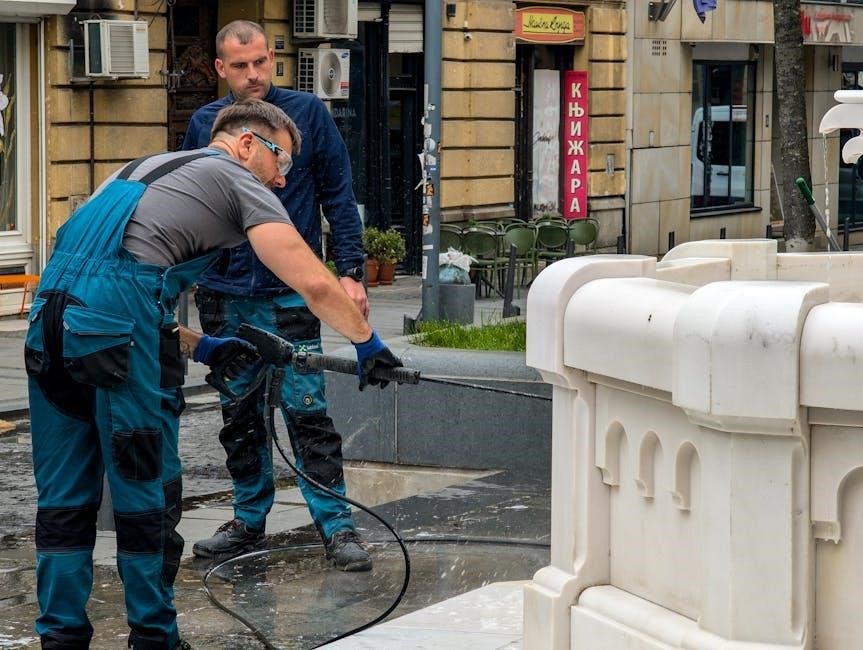
Advanced Features & Techniques
Unlock maximum cleaning potential with specialized attachments like detergent injection, surface cleaners, and rotary nozzles for diverse, efficient, and professional results․
Detergent Injection Systems
Your pressure washer features a built-in detergent injection system, enhancing cleaning power for stubborn grime and stains․ This system allows you to mix detergent with the high-pressure water stream, effectively lifting dirt and debris from surfaces․
To utilize the detergent injection, fill the detergent tank with a pressure washer-approved detergent․ Adjust the detergent flow rate using the dilution knob, typically marked with settings for low, medium, and high concentration․ Begin with a lower setting and increase as needed, always testing in an inconspicuous area first․
Ensure the suction tube is properly connected to both the detergent tank and the injection port on the pressure washer․ Regularly flush the system after each use to prevent clogging and maintain optimal performance․ Never use flammable or corrosive detergents, as they can damage the pump and void the warranty․
Surface Cleaner Attachments
Optional surface cleaner attachments significantly improve cleaning efficiency on large, flat surfaces like driveways, patios, and sidewalks․ These attachments feature rotating spray bars enclosed within a protective housing, preventing overspray and delivering a consistent, even clean․
To install a surface cleaner, first disconnect the pressure washer from the power source and water supply․ Attach the surface cleaner wand to the pressure washer’s lance, ensuring a secure connection․ Select the appropriate nozzle configuration for the surface being cleaned – typically, two or four nozzles are included․
Operate the surface cleaner with a sweeping motion, overlapping each pass slightly․ Maintain a consistent distance from the surface for optimal results․ Always inspect the surface for any loose debris before cleaning and avoid prolonged use in a single area to prevent damage․
Rotary Nozzle Usage
Rotary nozzles, also known as turbo nozzles, concentrate the pressure into a powerful, rotating stream, dramatically increasing cleaning impact․ They are ideal for removing stubborn dirt, grime, and paint from concrete, brick, and other durable surfaces․ However, exercise extreme caution as they can quickly damage softer materials․
When using a rotary nozzle, maintain a greater distance from the surface compared to standard nozzles – at least 12 inches is recommended․ Use sweeping motions and avoid dwelling in one spot for extended periods․ Always wear appropriate PPE, including eye protection, as the rotating stream can eject debris․
Inspect the nozzle regularly for damage or blockages․ A damaged rotary nozzle can produce an uneven spray pattern or reduce cleaning effectiveness․ Never point a rotary nozzle at people, animals, or fragile objects․

Warranty Information
Our 4000 PSI commercial pressure washers are covered by a limited warranty against manufacturing defects for a period of one year from the purchase date․
Warranty Coverage Details
This warranty specifically covers defects in materials and workmanship under normal use and proper maintenance, as outlined in this manual․ It encompasses the engine, pump, and frame components․ However, the warranty does not cover items subject to normal wear and tear, such as hoses, nozzles, seals, and O-rings․
Damage resulting from misuse, abuse, neglect, improper maintenance, alterations, or acts of nature is also excluded․ Furthermore, the warranty is void if the unit has been repaired or modified by unauthorized personnel․ Any claims must be accompanied by proof of purchase and a detailed description of the defect․ We reserve the right to inspect any returned component before authorizing warranty service․
Claim Procedures
To initiate a warranty claim, please contact our customer support department at the number listed on the back cover of this manual, or visit our website for a claim form․ You will need to provide your original proof of purchase, the model and serial number of your pressure washer, and a detailed description of the issue․
Photographs or videos illustrating the defect may be required․ Once your claim is approved, we will either repair the defective part, replace the unit, or issue a refund, at our discretion․ Return shipping costs are the responsibility of the customer, unless otherwise specified by us․

Technical Specifications
This unit boasts 4000 PSI at 4․0 GPM, with a 13HP engine, a 10․5-gallon fuel tank, and weighs 68lbs – ensuring powerful, portable cleaning․
Detailed PSI and GPM Ratings
Understanding the pressure and flow rate is crucial for optimal cleaning․ This commercial pressure washer consistently delivers 4000 PSI (pounds per square inch) at its maximum setting, providing substantial force to remove stubborn dirt, grime, and debris․ The GPM (gallons per minute) rating of 4․0 indicates the volume of water dispensed, influencing cleaning speed and efficiency․
Lowering the engine RPM or adjusting the unloader valve reduces both PSI and GPM, allowing for versatile cleaning of delicate surfaces․ Different nozzle sizes also affect these ratings; a narrower nozzle increases PSI while decreasing GPM, and vice versa․ Always select the appropriate settings for the task to prevent damage and achieve the best results․ Refer to the nozzle selection guide for detailed recommendations;
Dimensions and Weight
Proper handling and storage require knowing the physical specifications of your pressure washer․ The overall dimensions are 38 inches in length, 27 inches in width, and 42 inches in height – allowing for maneuverability in various work environments․ The unit’s dry weight is approximately 75 pounds (34 kg)․
These measurements are crucial for transportation, especially when loading and unloading from vehicles․ Always ensure a stable and level surface during operation to prevent tipping․ Consider the weight when selecting accessories or attachments, and always utilize appropriate lifting techniques to avoid injury․ Detailed diagrams illustrating these dimensions are included in the assembly section․